

 THE RETWEET by Tadhg Muller
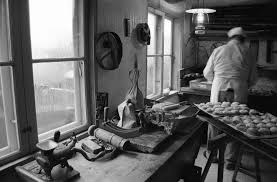
THE FIGHT HAPPENED suddenly as they do, late in the night when tempers are frayed; the fight happened at an hour when one should be in bed, in the arms of a women, or bent over wretched, by the gutter vomiting up your accounts. The fight happened because Ivan was a cunt, to a man, the bakers said so:
– Cunt
– Ivan’s a cunt
– He’s a cunt
– Ivan is a cunt, a cunt he is. They would curse him while the world slept and while they baked bread at that bakery that Ivan was at all the times reminding them of.
-The finest bakery in the city. As if that was a condolence, a remedy to our general misery, a misery that was never discussed, never voiced, or spoken. And as if, being the finest bakery in town, made our lot a lesser evil than those other dissatisfied bakers, baking second rate bread, with shit-house flour, unnatural starters, poor ovens, and customers that one should be ashamed of. Ivan’s rational. Ivan’s point of argument. Ivan’s encouragement for all of us staying, and cherishing the job at hand, the job here and now, that would unfold, and we would embrace most wholeheartedly.
Still it wasn’t a profanity, or the honour of our bakery, that set the bull running. No, it didn’t take much, just a baker that we generally agreed was the dimmest of us all, a very large and awkward Pole who was considered so far beneath the other bakers that he didn’t warrant slander or ridicule. At best, he played the part of a holy fool. Piotr was his name, he worked diligently, and without complaint, he would shoulder the most hateful task, he would sweep, and man the big hot oven in the summer time, in the winter he’d help the bakers and load the van, all the time working silently, stooped over muttering to himself, his sleeves rolled up despite the weather, here and there with burn marks like poxes up and down their length. There was something pitiful about him, something in his nature, though no one made a victim of him. At least that was how it seemed. At times I wondered if he had suffered some misfortune to reduce him to this downtrodden state, spiritless like a beast of burden. For a long time I had concluded, incorrectly I might add, that he had long since ceased to think about life. Piotr was nothing less than an idiot, quite the most impossible person to assume the role of agent provocateur: at this the ‘most finest bakery in town’.
Ivan appeared on the landing outside his office, fat hands on the steel rail at precisely 10 PM. The bakers were assembled and in their uniforms. Ivan dressed in the tweed coat he was given to wearing and he began to talk at the bakers. The details were largely irrelevant, they belonged to a man with little learning or education, bits and pieces picked up from self-help manuals, motivational texts, guides to fortune, success, leadership, management, his own education. For all his posturing, it was plain to see a certain meanness, that employers are given to viewing as beneficial and noteworthy, a kind of hardness of spirit, and determination, that may not do a job well, but will see it none-the-less. A countenance that Ivan, with all his indoctrination, remained peacefully oblivious to, with his coat, his manicured beard, trimmed hair, and physiology, that, whilst remaining large, imposing, portly, might just as soon have also slipped out of lycra at the gym, like a bratwurst or very large, and firmly, stuffed continental sausage.
Had he not been a baker, he would have made it as a gaoler, a policemen, a bouncer, perhaps a food health and safety inspector. Some little enforcer that people shied away from. He would never once have fed the pigeons in the park. No, such a miserable soul that was Piotr, the kind of man he’d loath all the more violently for the opportunities they squandered, the bakery, the city, the chances that had been all together lost on his father, his grandfather, his brothers and sisters, and dumb animals like Piotr.
With the speech concluded the next task was to move to our stations. The mixer, the shaper, the ovens, the proofing room, the packers: everyone had a task at their station. Ivan would make his way into the office., pausing to watch us all following his orders. Into the office, into the office and through the rabbit hole with a spring in his step. 10 years it took of you, working nights, that was what they said 10 years it took of you, living like this, and he had the nerve to step into that dungy room as if in celebration. 10 years and a working life of sleepless nights. And then he was gone from site. And each and every last one of us was eager to get working. My allotted place, as Ivan’s second, was to man the mixer, and mix each and every dough. An honourable job, a skilful job, one that took into account weights and measures, the effect of temperature, time, and rhythm. Mine was a job that Ivan liked to remind me would foretell that one day, perhaps soon, I’d end up just like him. The head of a bakery, the head baker.
Ivan was given to keeping us waiting. It was a cat and mouse game. And sooner or later he’d appear with the production sheets (and precise measurements) or else something would give, the pressure of stares and muttering would reach breaking point and I’d go looking for the sheets and force Ivan’s hand. And the night of the fight was one of those nights, a sign that Ivan was in a foul mood and all the bakers were restless, eager to get started and be done with the day. I found him still at his desk. I found him wearing the tweed coat. He had his laptop open… a motivation speaker on Youtube (by the sound of his accent an American). With a short click of his fingers, and a dismissive air he pointed to a laser printer where the mixing and scaling sheet waited in the tray.
-Start the scaling. I’ll be down shortly.
I walked to the mixer and plonked the sheet on a stainless steel bench and read with surprise.
– You dress for the job you want.
– Losers live in the past. Winners learn from the past and enjoy working in the present toward the future.
– Procrastination is the bad habit of putting off until the day after tomorrow what should have been done the day before yesterday.
The usual shit that Ivan would impose upon the staff. I stood staring and very suddenly I was interrupted, someone was standing over my shoulder, so close that I could feel their physical weight upon me. It was Piotr with something in his eyes, something new, a mystery. A madness I had failed to note? Hysteria? Was he ill? As the events unfolded, and with the benefit of hindsight, I can’t help but conclude that something wasn’t right: a fever of the brain.
Firstly Piotr picked up the sheets from the bench – with a long, thin and flat grin. And then he laughed. He laughed and laughed. And Ivan in his whites appeared at the top of the stairs. Piotr’s laughter had the effect of a collision. Everyone stopped. It wasn’t that people never laughed, rather they never laughed with abandonment, they laughed in a dutiful and regulated manner, they laughed as part of the crowd. Piotr’s laughter came from somewhere else. Ivan made his way towards us, I grabbed the sheet from Piotr (who was still laughing) and Ivan reached, pulled and with a jerk took the sheet straight from my hands. I couldn’t suppress a smile.
-Are you laughing at me, are you laughing at me, barked the angry Ivan. Piotr pointing frantically, and smiling madly, indicating the paper in Ivan’s hands – there was an insolence in his eyes, an insolence and an eagerness to point to the sheet. And his laughing continued unabated. Ivan’s face turned red, there was a trace of violence in his eyes and this time he roared… and now each and every one of us, even the wise who continued to work, stopped, to a man.
-Don’t mock me, nobody mocks me. Don’t play games, you don’t know what you’re doing,
pointing and driving his finger into the other man’s chest.
-Retweet, Piotr barked. I blinked not certain what the Pole was saying. Was it some Polish vulgarity? Kurwa perhaps, I didn’t sound like that.
-Pardon, Ivan asked coldly.
-Retweet. I said Retweet. And amongst the bakers myself included there was now a very awkward silence, a shuffling of the feet, and lowering of the eyes, a mixture of curiosity, fear, and aversion.
-Is this some kind of a joke? Do you think you are here to joke? No one pays you to joke? You’re not a clown.
-Ha, ha, ha… Piotr barked in return. Ha, ha, ha. Retweet. You see retweet!!! So stupid only idiots retweet! And you ask if I am the joker… ha, ha, ha. And you ask if I am the clown!! Retweet. Retweet. Retweet.
By now there was some confusion. Two words were floating around retard & retweet as some of the bakers began to murmur. Generally insults were reserved for the mother tongue… Polish… French… Russian… Arabic or Slovakian. It rarely happened: insults in English.
-Merde!
-Ty che, blyad!
-Kurwa!
– أبو قرع أبو قرع
The beauty of the bakery. The language. The theatre. Working in the middle of a city where nobody came from and no one belonged. We were only at truly at home by the ovens, and the bread, in the early hours of the dawn, learning to curse each other in a thousand tongues.
-Retweet!
-Retweet!
-Retweet! Piotr continues without letting up. And then it happened, the first ripple of laughter. Ivan advanced and losing himself grabbed the Pole by his collar and flung the larger man still laughing to the floor. Ahmed a Frenchmen moved a step closer. His real name was long forgotten: a Caribbean convert, the largest man in the bakery. You could see from his calm countenance and ready eyes that should the need arise he would intervene. I looked outside for a moment. Into the night time and into the darkness. Another world were people slept, partied, rested, made love, where people did what they do when they are home and the day is spent. The bakery felt like a prison. The world outside, with the cold, and the ice, and the darkness was one step closer to freedom. And in the night at time we lived by our own laws.
– Did you call me me a retard! Now half the bakers were in an uproar, hooting and roaring with laughter. There was a danger that Ivan might lose a handle, that he might lose complete and utter control. The words retard and retweet circling around like a storm in a tea cup… And Piotr answered.
– I wouldn’t say such a thing. I called you a retweet.
And the head baker looked back at the Pole his eyes violent and angry.
– What the hell is a retweet?
– You’re a stupid with shit on paper like that. A retweet like social media. For people with twitter accounts. And retweeting, sending on another man’s message. A person that repeats. A person without an original idea. A person like you… you retweet.
– Are you mocking? he replied.
-No I’m not mocking you. The Pole remarked.
-But you’ve called me a retweet…
-But that’s not mockery, it on the paper in your hands.
-Don’t mock. Don’t smile. Say nothing. You don’t know what you’re getting yourself into, you don’t know what you’re doing to me. People don’t do this to me. People don’t do stuff like this. I don’t play games. You hear. I don’t play games. Ivan concluded.
-You don’t play game…. You’re retweeting. You are demonstrate complete and utter death of imagination. It’s a lazy way. It’s a lazy way.
And the head baker turned his body in an oppressive manner and signalled the pole to follow him so two could take there altercation somewhere else. The head baker could beat the shit out of the Pole away from the crowd, the Pole would know once and for all that the head baker wasn’t a retweet.
And the Pole didn’t move. He wiped the flour from his hands on his overalls. His hands with nothing to hide.
-With this shit, this machine of shit and propaganda there is no end in sight to the lies. We switch off from life, and tune into some shit removed from life…
And everyone paused as the Pole started to tremble. Even Ivan, head baker, took a step back. There was a mania and violence now in the eyes of the Pole. And still he continued.
-Even the elderly act like juveniles. With every last fucking soul posting, and tweeting, and retweeting, and sharing, and liking… and giving the thumbs up… everyone has become a fucking retweet. It’s not just you. It big disease like HIV. I apologise for calling you a retweet you are not exceptional. And the Pole began to shudder, the big Frenchmen Ahmed took one step closer. And the Pole continued as if possessed.
-No I have responded most forcefully to the fact that you are a kind of dog to this state… to the dirt and sadness that binds the worker to the worker. To the loss of shared purpose, to the loss of solidarity, to the abandonment of anything but the gain of the individual. Retweeting, self, goals.
I looked outside for a minute. Into the nighttime and the darkness. Another world where people slept, and partied, and rested. Yes, the bakery felt like a prison. Sometimes the whole world felt like a prison. There was a gasp and I looked back and Piotr arched back and started thrashing, and trembling, like a fish pulled from the sea, hook, line, and sinker. And no one laughed, and the head baker looked troubled. Ivan reaching forward and grabbed the Pole, and the Frenchmen helped him, and the Pole lashed and kicked, and kicked and lashed more and more violently. And someone cried.
-Oh! he shall choke on his tongue. And without thinking Ivan forced his very large fingers into his mouth and pressed his tongue down. And the same person cried.
-Oh you shall lose your fingers, the same person cried like a fool crying out from the shore to a sailor high on the sea,
– you shall lose your fingers. And the Pole began to calm, and Ivan cried for water. And the Pole stopped and now stared at Ivan smiling.
-We’ve been dreading tomorrow… and today will pass, and we will dread tomorrow again and still we will come back for more. And Ivan nodded and something passed between them. And we all fell quiet. I was sure at that very moment none of us liked the world, none of us liked it one bit. And midnight was approaching, and there bread to bake, bread that was life, and life would go on.
by Fiona Lohrbaecher
 I’ve always been fascinated by the hidden language of dreams, those subtle psychological promptings of the subconscious. I used to read books on decoding their mysticism and slept with a dream diary by my bed. I looked forward to sleeping, to wandering rapt through that wyrd and whimsical world where anything is possible. Upon waking I wrote the images down before they melted in my mind like candyfloss in the mouth; substance gone, leaving only a sweet taste and a vague remembrance. A lost world, a lost paradise.
Recurring dreams in particular intrigued me; what was the deep, important message my psyche was trying to communicate? For years I was troubled by one particular dream. I was in a large shopping mall, a maze-like complex, trying to find the basement food court where a delicious array of vegetarian Thai food awaited me. But, as is the nature of dreams, I never could find it. I wandered up and down staircases, along corridor upon corridor, never reaching my heart’s desire.
I agonised over the meaning of this dream, never interpreting it satisfactorily. I knew that a house represented the mind; the different floors the different levels of being and consciousness. I wondered why I was always wandering to the basement, rather than trying to work my way upwards. For years the true meaning of my dream eluded me, slipping through my fingers like a handful of melting ice-cream.
Three years ago we set off on a big tour of the mainland. We set sail from Tassie, hit the north island and headed west. It was ten years since we’d last been in Western Australia, our original landfall in the Great Southern Land.
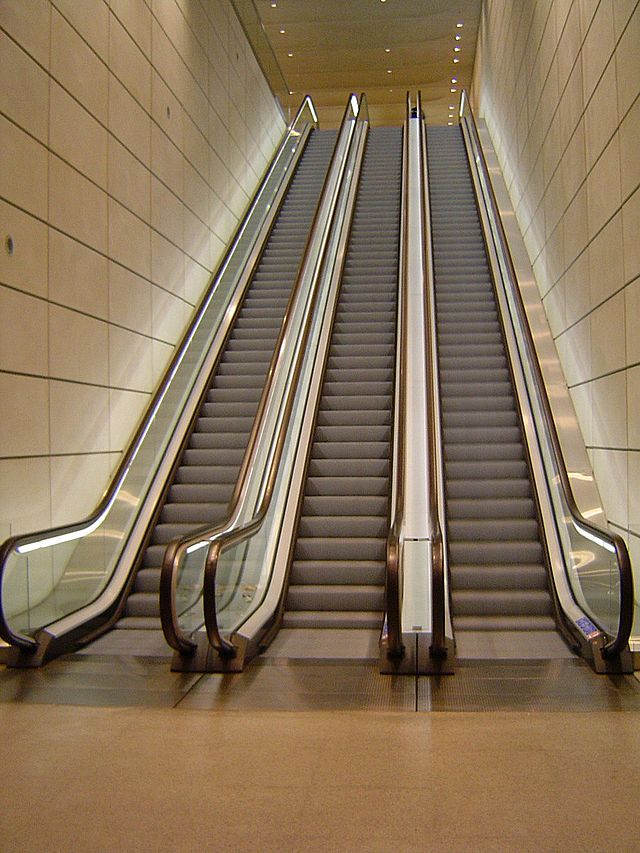
Re-exploring Perth with the children, lunchtime came around. We were in the mall. I remembered that the Carillon Shopping Centre had a good food court. We entered the large multi-storeyed shopping centre. A maze of corridors and levels confronted us. We took the escalator down, wandered along several corridors, a wrong turn here, a right turn there, descended another staircase, negotiated several more confusing corridors and finally found the food court. And there was the vegetarian Thai food stall. I stopped dead. A bell rang in my head. It’s a cliché but emotion really did well up in my chest and threaten to choke me. A lump rose in my throat and my breathing was fast and shallow. This was it! This was the place of my dreams, the food court that I had spent 10 years longing for and dreaming of!
And I realised then and there that sometimes our dreams are a lot simpler than we think; sometimes the message really is as simple as it looks, not a cryptic array of hieroglyphics waiting to be translated, overanalysed. And that the message of my dream, the clear, undisputable message was: that I have a deep and strong spiritual connection – with food!
 by Georgia Mason-Cox
Patrick dropped me off at the station. ‘Let me know,’ he continued. ‘The sooner the better, because sorting things out with Duane could take some time.’
The journey home was quicker than I wanted. Soon I was navigating the blustery granite angles of Kings Cross. At the hostel, the weekend crowd was checking in. Uni students, mostly, down in London for a party weekend. They booked months in advance, pushing out the tide of people washed up from all corners of the EU and further afield. It was a Friday, so I had to move. My standards had lowered with my bank balance. Gone were the days of four bed all-female dorms, hairdryer and toiletries included. The new dorm was practically in the basement. A Tetris nightmare of cheap metal bunks, on entering I was greeted by the familiar odour of cleaning chemicals and bodies stewing on stale sheets. No windows. But it was quiet. The dorm was empty.
I turned on the lights and hung my towel over the railing at the end of the bed. Next to me, someone had done the same thing. An elaborate curtain was rigged up out of sheets. Taking advantage of the unexpected privacy, I began to undress. The position of the room gave me plenty of warning if someone was coming. I tugged off my jeans and threw my t-shirt into the corner of my suitcase reserved for dirty clothes. My bra was almost off when a haggard face briefly appeared from behind the sheet curtain next to me. I screamed, and he retreated. We never spoke, but on a few occasions that night his rough damp foot brushed against mine. The thin wooden bunk dividers were only waist-high. In the morning I rang Patrick. This time there was no hesitation. ‘I’ll take the room,’ I said.
I didn’t stay there long, a few months at most. Like I had suspected, the small print was a disclaimer, authorised by Patrick’s conscience. He continued to be slippery about prices and I had no allies once Daria was evicted. She threatened to take him to court over the illegal extensions, but that’s another, longer, story. I saw Duane once more, soon after moving in. There was a big black guy outside Tooting station in some kind of awkward dispute. He might have been asking for money. Maybe it wasn’t him, we only crossed paths briefly. Anyway, I’ve left Tooting behind. Recently I got a new job, front-of-house at a hotel in Mayfair, so I’m crossing the Thames, moving up, moving on. I found a little bedsit in Kilburn. It’s a start. Before leaving I went down to the station to try and find Duane. I wanted to tell him he could have his room back, but I couldn’t find him. I suppose he’s probably moved on as well.
Writer’s bio:
Georgia Mason-Cox is a Tasmanian-born writer living in Sydney. Her London adventures took her from dishwashing, to charity collecting, to working for the Royal Household. This is her first published work. It is fiction, just.
 by Georgia Mason-Cox
Patrick drove fast, gliding around corners and talking about his investments. The villain of the piece was a real estate agent, but this was separate to his job – this was his own property he was renting out. It was just around the corner, he said. The protracted drive built up expectations that crumbled unceremoniously as he began to slow down. ‘I like my tenants to have an education,’ he said, hastily parking.
The house was medieval brown and squatted at the end of a wistfully named street. Inside was a maze of stairs and corridors. Patrick was in a hurry. I lagged behind, struggling to reconcile the puzzling dimensions of the house’s interior with the modest proportions visible from outside. We passed three distended washing machines and a big yellowish sink. ‘The laundry,’ said Patrick. His shiny winklepickers lacked grip on the scrappy lino and he steadied himself on a small bar fridge. ‘Also the kitchen.’
We climbed the stairs. Chipped bannisters and peeling paint. Medium furnished room. The first floor smelt of fat and onions. All utilities included. Scraggy carpet and sweating walls. Women and minorities welcome. Abruptly Patrick turned left, stopping outside a door littered with faded Pokemon stickers. ‘This is the one,’ he said, unlocking it. A woman inside yelled out, and we both jumped.
‘Christ!’ Patrick crossed his arms and stood with his back to the door. ‘Are you decent?’ he said, and stuck his head inside. ‘Daria, I’m afraid you owe me more rent.’
‘No! This is not what we agreed!’
‘We agreed you would be out by now.’
They argued, and I studied the floor. After a minute, Patrick glanced my way. ‘Do you want to….’ He nodded towards the room.
‘No, it’s okay.’
‘Don’t worry about her, she shouldn’t even be here.’
The room was cramped but scrupulously tidy. I did a quick twirl, enough to get a general sense of the space, before backing out. Downstairs, he asked me what I thought.
‘That lady – Daria – she’s definitely moving out?’
‘She – she’s Polish or something, she’s been nothing but trouble.’
I confirmed the price. Patrick’s intricately gelled hair seemed to wilt a little. ‘What did I say? Is that what I said?’
We faced off over the boot of his car. ‘The ad said all utilities included.’
‘You must want the other one.’ He started to explain when his phone began to purr. ‘I’ll have to take this,’ he said, walking a little way up the street. I jammed my hands under my arms to keep warm. Patrick seemed agitated. I heard the word depression, several times. Then, ‘It’s news to me he’s unemployed.’
Patrick returned to the car, shaking his head. ‘I’ve just had his mother on the phone. She’s not happy because she says he has issues and he’s better off living with her and sorting them out.’
‘Who’s this?’
‘Duane. The one in your room. The room you said you wanted.’
I followed him back inside. Patrick had advertised two rooms and shown me the wrong one. ‘I leased it to Duane purely on a trial basis,’ he explained, climbing a newer, different staircase. ‘But nothing’s settled yet.’ We walked to the end of a dim hallway. There was nowhere to go from here.
‘Duane!’ Patrick banged on the door. ‘I’ve just had your mother on the phone!’
Barefoot in shorts, Duane was silent and motionless in the doorway. His fingers clenched and unclenched an open packet of jaffa cakes. Eventually he stepped back, allowing us a little way into the room. It wasn’t much wider than the flat screen TV wedged at the foot of the single bed.
‘I’ve just had your mother on the phone,’ Patrick repeated. Duane winced. After the second time I realised it was a nervous blink. He looked away. I thought Patrick had stared him down but Duane was in fact looking behind us. We tried to turn around too, bumping shoulders and stepping on each other’s toes, and I found myself face to face with the small figure on the bed that I’d tried so hard to avoid seeing just a few minutes earlier.
Daria stood in the hall. She looked determined, but maybe she was just cold. Her ugg boots looked like they’d stolen all the fluff from her dressing gown.
‘The pilot light, Patrick. It fucking goes out even when a little breeze is coming.’
Patrick grunted and disappeared down the hall. Now it was just me and Duane.
‘Mothers can be difficult,’ I said. He remained silent. Shoulders squared, he could have been wearing a combat uniform rather than a stained t-shirt that read ‘phat papa’. I wondered why his room was the only one without a bulky padlock on the old-fashioned swinging latch.
‘Mostly,’ I continued, ‘they just want the best for you.’ I couldn’t look at Duane, so I let my eyes drift up to the small high window. A few frigid trees against a restless sky. Duane still wasn’t talking.
‘What do your parents want you to be?’
‘Afro-Caribbean,’ he said, disbelieving. I nodded quickly but he called my bluff. ‘Doctor, lawyer…’
He sat on the bed. ‘Sorry about this,’ I said. We waited in silence. ‘It’s a good little room,’ said Patrick when he returned. ‘Duane, we’ll talk.’
‘He’s dropped out of college too,’ confided Patrick as we went downstairs. ‘Actually I think his mother has a point.’
In the car we got down to business. ‘I’d take it,’ I said, carefully locating my enthusiasm in the realm of the hypothetical.
‘As I said, I like my people to be educated.’
‘I’ll think about it.’
Writer’s bio:
Georgia Mason-Cox is a Tasmanian-born writer living in Sydney. Her London adventures took her from dishwashing, to charity collecting, to working for the Royal Household. This is her first published work. It is fiction, just.
 by Georgia Mason-Cox
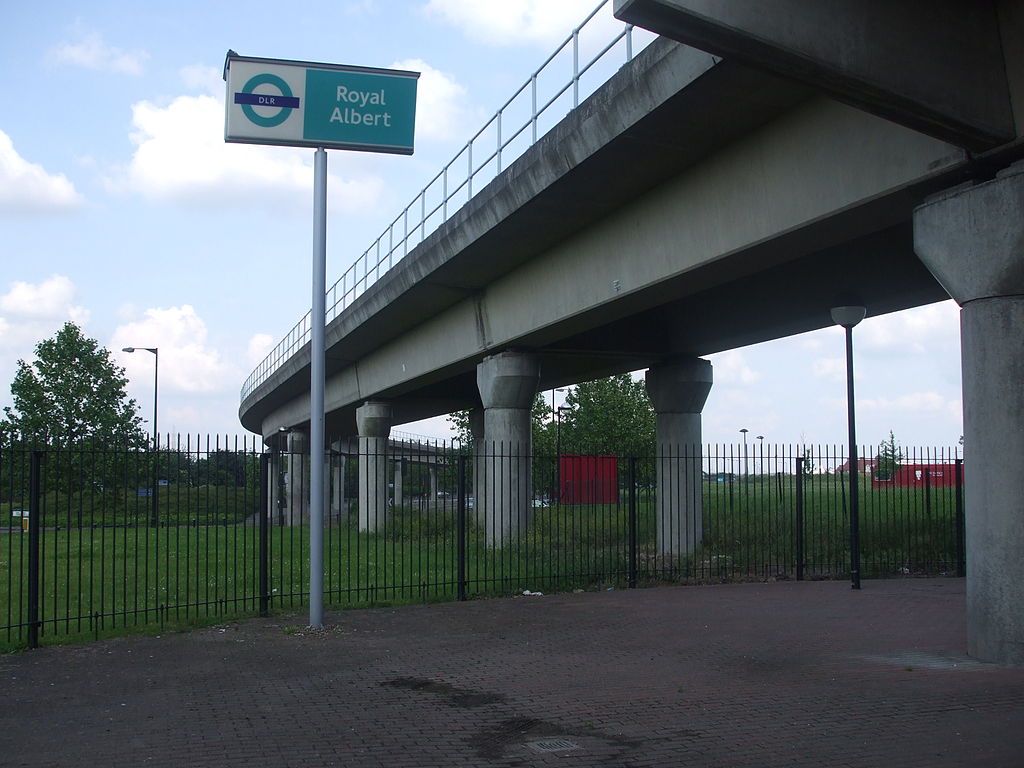
The room was cheap, but ‘cheap for London’ wasn’t the same as being affordable. I scrutinized the ad. Of course it was a shared house (‘we are six friendly Eastern Europeans’) but I couldn’t expect to go straight from a crowded hostel to my own flat. I had to be realistic, but there were some things I wouldn’t compromise on. Balancing my laptop on my knee, and resting one arm protectively on my bag, I found the crucial information in the third paragraph: Royal Albert was the closest public transport link. After clicking through the photos, I concluded location was about all it had to recommend it. The rooms were dark and severe, with incongruous touches of chintz. But when the hostel looked like a school camp that had hosted a bucks’ night, what was a bit of jarring interior design? For central London it wasn’t a bad deal.
I was on the Beckton branch of the Docklands Light Railway when I realised Royal Albert had nothing whatsoever to do with the Royal Albert Hall. The address was in fact way out east, beyond the loop of the Thames. Still believing geographical isolation caused its metaphorical equivalent, I had no desire to tempt loneliness by being stranded out in no-man’s land. But there were worse things than a hostile flat. With its air of quiet paranoia, its rules and complex hierarchies, the hostel sometimes felt more like a low-security prison. If I didn’t get out soon I’d become a lifer, hanging around the common room and dishing out advice on the best time to get a hot shower and where to find a power point.
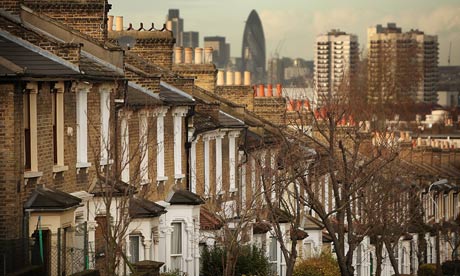
So I stayed on the DLR, and did some belated location research. Google said it was a good place to watch the take-off and landing of planes. The scenery had a low-rise bleakness common to the immediate vicinity of airports. Overpasses loomed briefly, a concrete blur. Things soon came into focus once I stepped out into the rain. Factories and fly-tips dominated the streetscape. Eventually I found the house. The front yard announced itself by extending an uneven carpet of cracked pavers onto the road. A few rubbish bins, huddled together for warmth, were the only obstacles to the front door. Now it was only curiosity impelling me to knock.
Bogdan was a Bulgarian security guard with a boxer’s nose. He owned the place; we had talked on the phone. Charming and proprietorial, he led me inside. ‘It is very good possibilities for the renovation,’ he announced. We toured the ground floor. The décor was eclectic, like a hermit and an Orthodox priest had fallen out over furnishings. I asked who else lived there but Bogdan didn’t hear me. Distracted, he used his foot to nudge a thigh-high leopard-print welly out of our path. ‘Anastasia’s,’ he muttered. ‘We go up!’
I sat on the bed, observing Bogdan observing me pretending to observe the space. It was quiet, a long way to the high street. In fact it felt a long way from anywhere. Bogdan said there was a short-cut to the Tesco’s. He told me about the other tenants, pointing out their rooms: a Latvian student in that one, a Polish couple next to her, a young Estonian woman over there. As he showed me the upstairs bathroom I peeked into the half-open door beside it. Centre stage was a dressing table, weighed down by a shining sea of perfume bottles and jars of lotion that were reflected back in a vast wall-mounted mirror.
‘Who lives there?’ I asked, imagining an exotic Russian showgirl – Anastasia, no doubt, the owner of the glamorous welly. Bogdan closed the door. ‘This is my room,’ he said.
Downstairs we chatted. He was about to go into business. There was a gap in the market for Slavic home gym equipment, and he knew some suppliers. Perhaps I’d like to be his secretary? But I’m only telling you this for context – it has nothing to do with the actual story.
That begins a week later, with Patrick. I saw his ad at breakfast and had arranged a viewing by lunch. The small print troubled me but four words weren’t enough to put me off going. We met outside his office. Tooting was almost as far south as Royal Albert was east, but there was no mistaking it with any famous landmarks. ‘It’s a good area,’ said Patrick. ‘Lively.’ The wind gnawed at my knuckles and I pulled my sleeves down to cover them. He inspected me carefully. ‘I assume you’ve a job?’ I made my hands visible again, and told him I waitressed part-time. ‘Right,’ he said, unlocking a peach sports car. ‘Hop in.’
Writer’s bio:
Georgia Mason-Cox is a Tasmanian-born writer living in Sydney. Her London adventures took her from dishwashing, to charity collecting, to working for the Royal Household. This is her first published work. It is fiction, just.
Island of Buildings (a short film)
by Brenda Baxter
Lady Bay Urban Island (a short film)
by Brenda Baxter
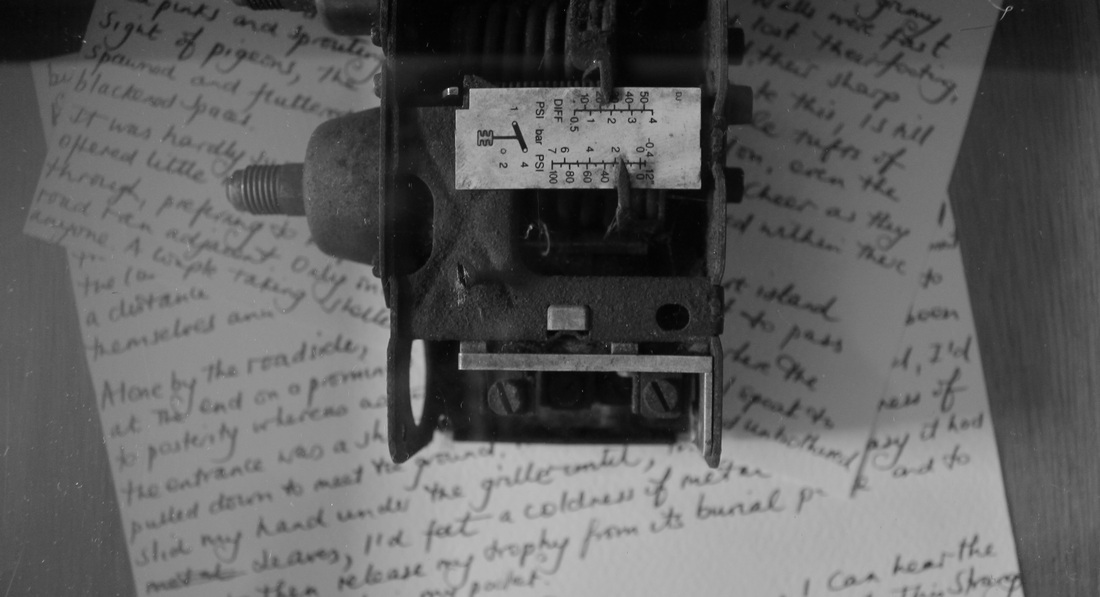
An excerpt from ‘Urbanislands’ a short book by Nottingham writer and artist Brenda Baxter.
Arriving in Nottingham from the station walk towards the city centre. Soon it will be possible to circumnavigate the island’s perimeters and explore its centre. You’ll notice the street names and other aspects of its geography speak of a past island life. The buildings are bound by an interlocking system of roads and traffic lights where it’s still possible for the traveller to walk with some ease of entry and exit. The flow of traffic is both predictable and relentless, like the tides and estuaries. Soon you will come to know them and even take comfort from them.
There is a struggling island community and one that can be similarly experienced in islands in the North West of Scotland or Ireland. George Pett built here in 1914 and that building still stands. Many of its inhabitants have long since fled to other shores to make a living. Rumour has it that the Owner of the island has abandoned islanders and that there is little hope for their future livelihood. Maybe you will be able to encounter them on walking the island and maybe you will share a conversation for they have become shy and uncertain, wary of strangers, suspicious of tourists with cameras and fine talking ways.
Ocean is the place to meet the islanders. It’s one place that welcomes strangers. Tales are exchanged and those who congregate on its steps or in its doorways invite flights of fantasy and gruesome stories of the past. I’ve come here to understand the nature of things here and to find a way to escape the prospect of this island disappearing.
We’ll be posting video works by multi-media artist and writer Brenda Baxter in the following days.
Join us on facebook for the latest posts.
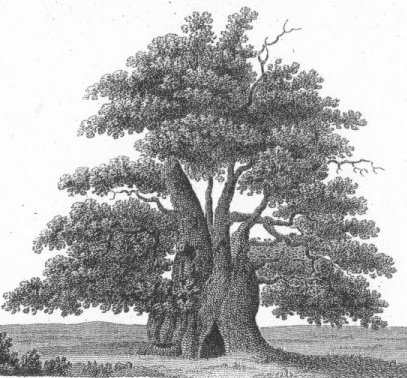
Grace Darling at Alnwick Castle – after the Forfarshire
by Kathleen Bell
‘And there was no more sea.’
Inland tastes of chaff and honey.
The earth is rich with grain.
Pigs, sheep are humble. Silent, the soft-eyed calves
tender their docile necks to the farmer’s knife
and streams run sweet.
By night the seals swim close
pushing through nightmare in a moment’s grace
till they slide, laugh, clap – bloated mistakes
disturbing dreams.
The taste of salt is gone.
I am made soft as soil. My task is set:
obey the ladies, watch, give answer to their
endless questions.
‘Books and my father schooled me –
I learned the Bible, sermons, tales of peoples,
countries elsewhere.’ Read polish clean write cipher –
oceans and words.
‘Always busy at home,
we harvest the sea. Cormorant, sea-weed, eggs
are good for food.’ Seals we must skin and salt,
which we take, eat.
The woman flapped like a bird
when we rowed to Harcar. ‘Spray was fierce, hit hard’
at her closed and stone-dead sons whom we took, laid
limp on black rock.
‘But surely suffering saves?’
Riches do not ennoble. I have been carried
far from my work and set among ladies –
dull, indolent, useless,
wicked as seals.
Writer’s bio:
Kathleen Bell’s recent pamphlet at the memory exchange (Oystercatcher, 2014), was short-listed for the Saboteur awards. She has poems in the current issues of New Walk, PN Review and Under the Radar, and has recently been included in the anthology A Speaking Silence, literary magazine Hearing Voices and the on-line poetry magazines The Stare’s Nest and Litter. She writes fiction as well as poetry, and teaches Creative Writing at De Montfort University.
 transportationpress.net